
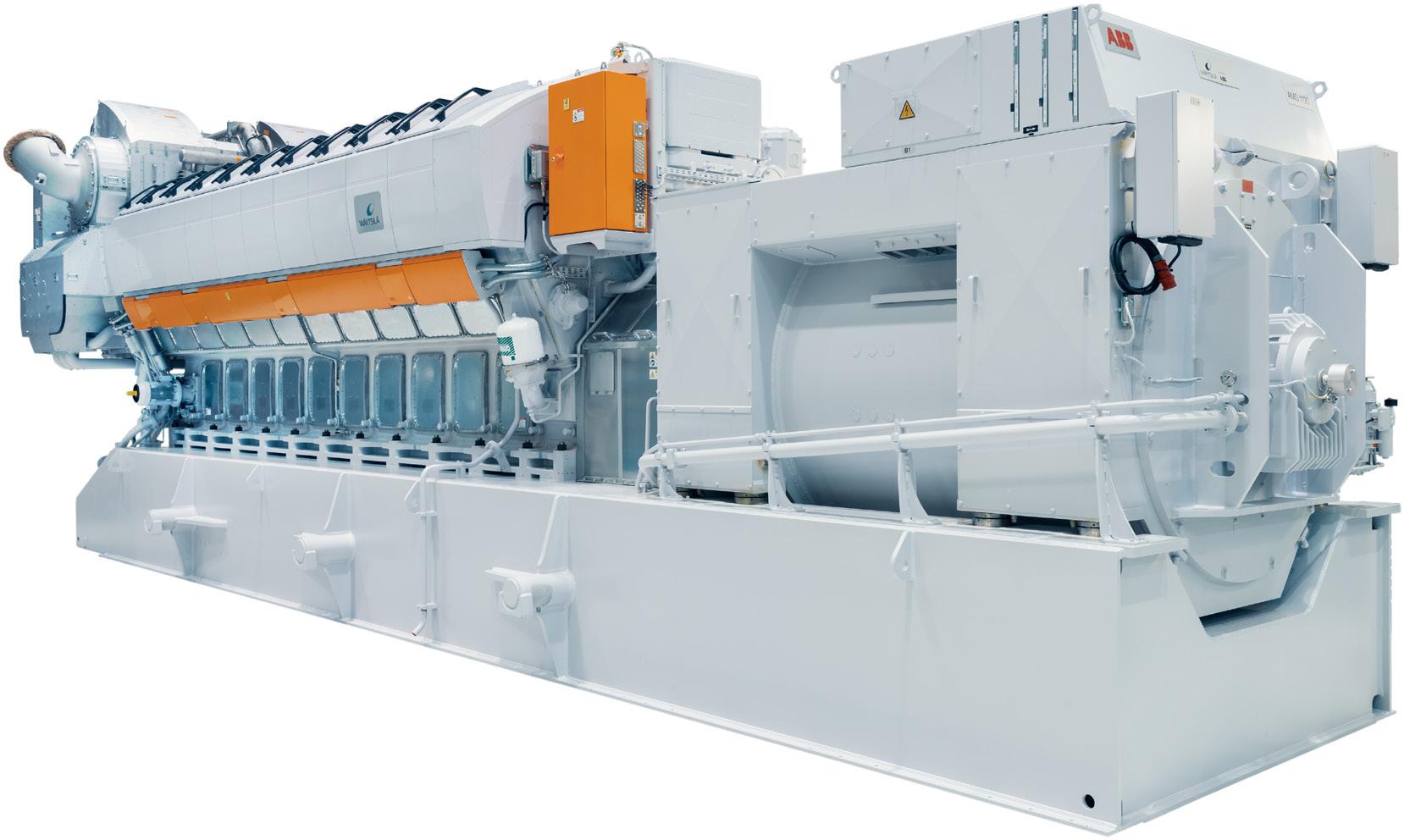
Cogeneration plants: a simple overview for business.
What is a cogeneration plant?
A cogeneration unit ('CHP') is an energy system that simultaneously produces electricity and heat using the same type of fuel. This approach can significantly improve the overall efficiency of energy processes and reduce energy supply costs.
Areas of use of the CHP
Cogeneration units are widely used in various sectors of the economy. They are especially popular at enterprises that need both electricity and heat, which helps to ensure maximum fuel efficiency. The main areas of use for CHP units include:
- Industry: Large enterprises use cogeneration plants to meet their heat and electricity needs, which helps to reduce energy costs and increase independence from external suppliers.
- Utilities companies: for heating residential buildings and supplying electricity to the grid.
- Greenhouse farms: Cogeneration allows for optimal conditions for growing plants, providing heat and electricity at minimal cost.
- Transportation infrastructure: large railway stations, airports and ports can use cogeneration units to meet their own energy needs.
- Agriculture: agricultural enterprises, such as farms or agricultural complexes, also use cogeneration to reduce energy costs.
Principles of operation of cogeneration plants
Cogeneration plants operate on the principle of joint production of electricity and heat from a single fuel source. The main stages of the CHP operation include:
- Fuel combustion: fuel (most often natural gas, biogas, or other alternative fuels) is burned in a combustion chamber that is part of an engine or gas turbine.
- Electricity generation: mechanical energy generated by an engine or turbine is converted into electrical energy.
- Heat energy collection: The heat generated by an engine or turbine is collected and used to heat water, space heating, or other needs.
- Energy distribution: The generated electricity is supplied to internal needs or to the grid, and the heat is used to heat the premises or industrial processes.
The economic component of the use of CHP
Cogeneration units can significantly reduce energy costs by improving the overall efficiency of energy processes. The main economic benefits of using a CHP unit are as follows:
- Fuel efficiency: Standard power plants convert only about 30-40% of the fuel energy into electricity, the rest is lost as heat. Cogeneration plants can utilize up to 80-90% of the fuel's energy.
- Reduced heating costs: Since the heat generated during the generation of electricity can be used to heat rooms or processes, heating costs are significantly reduced.
- Saving on electricity: on-site electricity generation reduces dependence on external suppliers and avoids the cost of electricity transmission through the grid.
- Increasing energy independence: cogeneration plants allow enterprises to provide themselves with energy on their own, which is especially important in the context of unstable energy prices.
The most common capacities of cogeneration plants
There are various cogeneration plants on the market, which are used depending on the needs of a particular enterprise:
- Small cogeneration plants (up to 1 MW): are used in small facilities, such as greenhouses, farms, small industrial enterprises or utilities.
- Medium-sized cogeneration plants (from 1 to 10 MW): are suitable for medium-sized industrial enterprises, large greenhouses, residential complexes or small towns.
- Large cogeneration plants (over 10 MW): are used in large industrial enterprises, power plants or large utilities.
The main world manufacturers of cogeneration plants
The global cogeneration market is represented by leading companies that offer reliable and highly efficient equipment. The top ten looks like this:
- Siemens (Germany) www.siemens.com – Siemens пропонує когенераційні установки на базі газових турбін та поршневих двигунів. Їхні рішення підходять для промислових об’єктів, електростанцій, а також для комунального сектора. Компанія також надає послуги з проектування, монтажу та обслуговування.
- GE (General Electric, USA) www.ge.com – GE пропонує високоефективні когенераційні установки, що працюють на різних видах палива, включаючи природний газ та біогаз.
- Caterpillar (USA) www.cat.com – Caterpillar відома своїми довговічними та надійними когенераційними установками, які широко використовуються у промислових та сільськогосподарських секторах.
- MTU Onsite Energy (Germany) www.mtu-solutions.com – MTU Onsite Energy пропонує когенераційні установки на базі високоефективних газових двигунів. Вони підходять для різних галузей, включаючи комунальне господарство, сільське господарство та промисловість. Асортимент включає рішення з потужністю від декількох сотень кВт до декількох МВт.
- Wärtsilä (Finland) www.wartsila.com – Wärtsilä спеціалізується на когенераційних установках, що працюють на природному газі та рідкому паливі. Їхні рішення використовуються для забезпечення енергією промислових об’єктів, електростанцій та морських суден
- Jenbacher (Austria) www.innio.com/en – Jenbacher є одним з провідних виробників когенераційних установок, які працюють на природному газі та біогазі.
- Hyundai Heavy Industries (South Korea) www.hyundai-heavy.com – Hyundai пропонує широкий спектр когенераційних установок, включаючи газові турбіни та двигуни середньої та великої потужності. Вони підходять для промислових та комунальних об’єктів, а також для електростанцій.
- 2G Energy (Germany) www.2-g.com – 2G Energy спеціалізується на виробництві когенераційних установок на базі газових двигунів. Компанія пропонує рішення для промислових, комунальних та комерційних об’єктів з потужністю від 20 кВт до декількох МВт. Вони також надають рішення для використання біогазу.
- MAN Energy Solutions (Germany) www.man-es.com – MAN Energy Solutions пропонує когенераційні установки на базі газових та дизельних двигунів великої потужності. Їхні рішення використовуються на електростанціях, промислових об’єктах та для морських суден.
- Mitsubishi Heavy Industries (Japan) www.mhi.com – Mitsubishi виробляє когенераційні установки, що працюють на природному газі, та газові турбіни середньої і великої потужності. Вони забезпечують енергопостачання для промислових об’єктів, електростанцій та комунальних підприємств.
Advantages and disadvantages of cogeneration plants
Advantages:
- Energy efficiency: CHP can significantly reduce energy costs by co-generating electricity and heat.
- Reducing CO2 emissions: The use of CHP helps to reduce greenhouse gas emissions, which contributes to an improved environmental situation.
- Independence from external suppliers: Enterprises can provide themselves with electricity and heat on their own, which reduces dependence on energy monopolies.
Disadvantages:
- High initial investment cost: The installation of a cogeneration plant requires significant capital investment, which may be beyond the means of a small business.
- The complexity of maintenance: CHP require regular maintenance and highly skilled personnel to operate them.
- The need for accurate engineering: Without a detailed design that takes into account all aspects of the CHP's operation, significant efficiency losses are possible.
The importance of design when installing a CHP
Selecting and installing a cogeneration plant is a complex engineering task that requires a professional approach. Many factors need to be taken into account: fuel type, location of the facility, energy needs, regulatory requirements, and many other aspects.
Before purchasing a cogeneration unit, it is necessary to prepare a project for its installation and connection. Such a project includes:
- Analysis of the enterprise needs: Determine the required power and heat output.
- Selection of optimal equipment: Taking into account the specifics of the facility and selecting the equipment that best meets its needs.
- Development of a connection scheme: Determining the location of the CHP, laying the necessary communications.
- Assessment of economic efficiency: Conducting calculations that will show how profitable it will be to install a CHP unit compared to other energy supply options.
IVK ENERGY offers a full range of services for the selection, design and supply of modern cogeneration units. We provide a professional approach at every stage, guaranteeing high quality service. Our experts will help you choose the best solution for your business, taking into account its specifics.
Cogeneration plants are a modern way of supplying energy that increases resource efficiency and reduces costs. Installation of such systems requires careful design and involvement of experienced specialists. The company IVK ENERGY is ready to support you at every step, helping to make your business more energy efficient.

 EN_GB
EN_GB  UK
UK